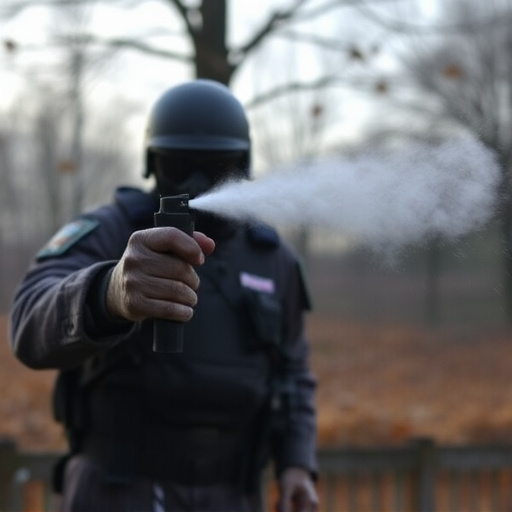
Concealed pepper spray is a valuable self-defense tool, but its legal status and safe carrying techniques are crucial. Variations in local laws require users to stay informed about regulations regarding open or concealed carry. Effective deployment involves mastering specific carrying strategies, understanding environmental factors, and adhering to legal guidelines. Techniques like tactical pens offer discreet protection in close-quarters encounters. Training sessions teach proper placement, target practice, de-escalation, and force application using pepper spray simulants for realistic scenarios. Secure storage methods ensure safety while navigating high-risk environments.
In today’s diverse and dynamic world, self-defense tools that offer non-lethal solutions are becoming increasingly popular. One such tool, pepper spray, provides a safe and effective means of deterring potential threats while minimizing harm. This comprehensive guide explores the legal considerations and various types of pepper spray available. We delve into concealed carrying techniques for discretely protecting yourself, as well as essential training and practice drills to ensure its effective use in emergency situations. Discover how to stay prepared and empowered with concealed pepper spray carrying techniques.
- Understanding Non-Lethal Inflammatory Self-Defense Tools
- Legal Considerations and Regulations for Pepper Spray
- Different Types of Pepper Spray and Their Applications
- Concealed Carrying Techniques: Tips for Discretion and Safety
- Training and Practice Drills for Effective Use in Emergencies
Understanding Non-Lethal Inflammatory Self-Defense Tools
Non-lethal inflammatory self-defense tools offer a crucial alternative to traditional lethal force, providing individuals with options in situations that require protection without causing permanent harm. These tools are designed to incapacitate or deter attackers temporarily, allowing users to escape or seek help. One of the most common and widely used non-lethal weapons is concealed pepper spray.
Mastering the art of carrying and deploying concealed pepper spray involves learning various techniques for optimal effectiveness. Users must consider factors like range, wind conditions, and aiming strategies to ensure accurate application. Proper training in concealed pepper spray carrying techniques can empower individuals to defend themselves effectively while adhering to legal restrictions surrounding its use.
Legal Considerations and Regulations for Pepper Spray
When considering a non-lethal inflammatory self-defense tool like pepper spray, it’s crucial to understand the legal considerations and regulations that govern its use and carrying. The legality of pepper spray varies significantly from one jurisdiction to another, with some regions permitting its open or concealed carry while others restrict it to law enforcement agencies only. In many countries, pepper spray is classified as a controlled substance, and its sale and possession are strictly regulated.
Concealed pepper spray carrying techniques are an important aspect for personal safety, especially in high-risk environments. Individuals opting to carry pepper spray discreetly should familiarize themselves with local laws and adhere to safe storage practices. This often involves securing the device in a dedicated holster or case, keeping it out of reach of unauthorized individuals, and ensuring it’s not easily detectable during routine security checks. Understanding the legal framework and mastering concealed carrying techniques can empower individuals to protect themselves while navigating potential threats.
Different Types of Pepper Spray and Their Applications
Pepper spray, a non-lethal inflammatory self-defense tool, comes in various types, each with distinct applications. The most common form is the aerosol can, known for its wide range and quick deployment. This type is ideal for close-quarters encounters, allowing users to temporarily disable an attacker with a powerful blast of capsaicin.
Beyond the traditional can, there are concealed pepper spray carrying techniques like tactical pens that infuse capsaicin into the tip, offering a discrete self-defense option. These devices blend functionality with secrecy, enabling users to defend themselves in situations where open display of a spray would be unwise or illegal. Concealed carrying techniques cater to those seeking subtle yet effective means of personal safety while adhering to local regulations regarding pepper spray possession and use.
Concealed Carrying Techniques: Tips for Discretion and Safety
When it comes to concealed carrying techniques for non-lethal inflammatory self-defense tools like pepper spray, discretion and safety are paramount. A key tip is to choose a compact and easily concealable container that blends in with everyday items. For instance, small, flat objects like wallets or makeup cases can be ideal holsters, allowing you to keep your defense mechanism close at hand without drawing unwanted attention. Additionally, practice proper placement—a hidden pocket or belt pouch works best—to ensure quick access during an emergency.
Another crucial aspect of concealed pepper spray carrying techniques is familiarity with local laws and regulations. Understand the rules regarding concealed carry permits, prohibited areas, and the types of weapons allowed. Regularly update your knowledge to stay compliant, as legislation can change. Moreover, always treat your non-lethal inflammatory tool with respect and caution; store it securely when not in use, and avoid drawing attention to it unnecessarily.
Training and Practice Drills for Effective Use in Emergencies
In the realm of self-defense, especially for emergencies where non-lethal force is required, training and practice drills are paramount to ensure effectiveness and safety. One crucial tool in this arsenal is concealed pepper spray, a versatile and effective deterrent when deployed correctly. Skilled practitioners master various carrying techniques, such as proper pocket placement or specialized holsters, enabling quick access during high-stress situations. Regular mock scenarios, including target practice at different distances, teach users to accurately assess their surroundings and aim for the eyes—the most sensitive areas, ensuring a disabling effect without causing permanent harm.
These training sessions also cover de-escalation techniques, crucial for diffusing volatile situations. Practicing with pepper spray simulants allows individuals to hone their timing, distance, and force application. By repeatedly refining these skills, users become proficient in handling not just the physical aspect of deployment but also the psychological challenges that often accompany emergency encounters. Such rigorous training is a game-changer, ensuring folks are prepared for unexpected circumstances and can confidently use non-lethal force as intended.
In conclusion, concealed pepper spray carrying techniques offer a powerful non-lethal inflammatory self-defense tool that combines effectiveness and discretion. By understanding legal considerations, different spray types, and proper training, individuals can enhance their personal safety in emergencies. Remember, knowledge is key; continuously practice and stay prepared for any unforeseen circumstances.