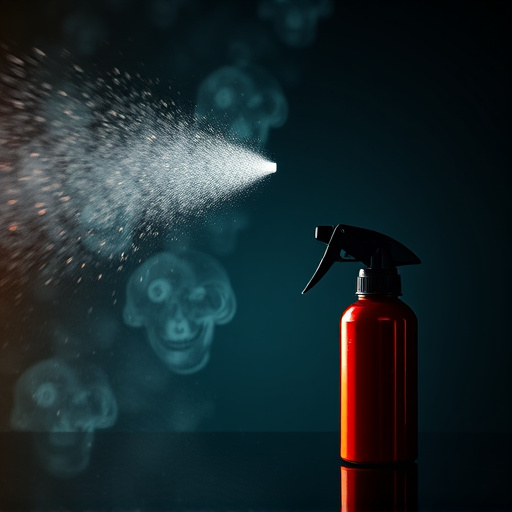
Concealed pepper spray carrying techniques empower individuals with a powerful self-defense tool, offering discretion and security in dangerous situations. Legal and ethical considerations surround its use, demanding responsible handling and training. Effective deployment involves mastering specialized holsters, quick drawing, precise aiming, and minimal movement to neutralize attackers swiftly while minimizing harm. Regular training sessions enhance comfort, accuracy, and safety, ensuring optimal protection and deterring potential threats responsibly.
“In today’s uncertain world, self-defense is a vital consideration. One effective tool gaining popularity is aerosol spray, particularly for its discreet yet powerful capabilities in neutralizing attackers. This article explores the multifaceted aspect of concealed pepper spray carrying techniques. We’ll delve into understanding aerosol spray as a defense mechanism, navigate legal and ethical considerations, and provide expert tips on training and safety measures to ensure optimal protection. Discover how to harness this portable self-defense tool responsibly.”
- Understanding Aerosol Spray as a Defense Tool
- Legal and Ethical Considerations for Carrying Pepper Spray
- Effective Concealed Carry Techniques
- Training and Safety Measures for Optimal Protection
Understanding Aerosol Spray as a Defense Tool
Aerosol spray, commonly known as pepper spray, is a powerful personal defense tool that has gained popularity for its effectiveness in deterring attackers. Unlike traditional weapons, it’s non-lethal and designed to temporarily incapacitate an assailant by causing discomfort and irritability. Understanding how aerosol spray works as a defense mechanism is crucial for those looking to employ it as a last line of protection.
When carried discreetly, often using concealed pepper spray carrying techniques, this self-defense tool can provide individuals with a sense of security in potentially dangerous situations. The key to its success lies in the rapid deployment and precise application. With proper training, users can target specific areas, ensuring minimal exposure while maximizing impact, thereby allowing for an escape or the arrival of help.
Legal and Ethical Considerations for Carrying Pepper Spray
Carrying pepper spray for self-defense raises a series of legal and ethical considerations, especially when it comes to concealed methods. In many jurisdictions, possession of pepper spray is regulated and allows for specific situations where its use is permissible. Individuals must understand their rights and responsibilities to ensure they are acting within the law. The application of force, including the use of pepper spray, should only be considered as a last resort when facing an imminent threat.
Ethically, concealed carrying techniques require individuals to be discreet and responsible. It involves learning proper handling and deployment methods to minimize harm to attackers while protecting oneself effectively. Training in self-defense and familiarization with local laws are crucial steps for those considering pepper spray as a defense mechanism. Responsible usage ensures that this powerful tool remains effective without causing unnecessary distress or injury.
Effective Concealed Carry Techniques
In today’s world, where personal safety is a top priority, concealed carry techniques for pepper spray have become increasingly important. Mastering these skills allows individuals to protect themselves effectively against potential attackers, providing a swift and powerful defense. One of the key aspects of successful self-defense is the ability to deploy your aerosol spray discreetly and quickly.
Concealed carrying involves learning various methods to keep your pepper spray accessible yet hidden from view. This includes mastering techniques like securing it in a dedicated holster or case, which can be worn under clothing or attached to belts or bags. Practice drawing and aiming the spray with precision while ensuring minimal movement to avoid attracting attention. Regular training sessions focused on these concealed carry techniques will enable users to react swiftly during unexpected situations, making pepper spray a valuable tool for personal safety.
Training and Safety Measures for Optimal Protection
Training is paramount in ensuring that individuals can effectively deploy and utilize aerosol spray defense systems, like concealed pepper spray, against attackers. It involves learning proper handling techniques, understanding range and deployment strategies, and practicing under controlled conditions to develop muscle memory. Regular practice sessions help users become more comfortable with the device, enabling them to act swiftly and accurately during critical situations. Safety measures must also be prioritized to prevent accidental discharge and minimize collateral damage. This includes securing the spray in a protective holster or pouch, ensuring proper storage away from heat sources or direct sunlight, and familiarizing oneself with local laws regarding concealed weapon carrying techniques.
Optimal protection necessitates a combination of strategic training and responsible handling practices. By mastering concealed pepper spray carrying techniques and adhering to strict safety protocols, individuals can enhance their ability to deter and defend against potential attackers effectively while minimizing the risk of harm to themselves and others.
Aerosol spray, particularly pepper spray, has emerged as a powerful tool for self-defense when carried discreetly. Understanding its effectiveness and learning proper concealed carry techniques, combined with legal and ethical awareness, can empower individuals to protect themselves in various scenarios. With the right training and safety measures, concealed pepper spray carrying techniques offer a practical solution for personal security without compromising ethics or legality.